
Volatility vs. Risk: Why What You Fear Isn't Your Biggest Problem
Volatility vs risk in investing is one of the most misunderstood concepts in finance—and it’s the reason many smart investors panic at the worst possible time.
In the world of investing, the word "risk" is thrown around constantly, but most people are actually looking at the wrong thing. When you see your portfolio drop 5% in a week, you feel "risk." But is it?
One of the most searched-for topics in finance is the difference between volatility and actual investment risk. Understanding this distinction is the secret to staying calm and reaching your financial goals.
What is Volatility? (The "Now" Factor)
Volatility describes the daily price swings of assets on an exchange. It’s the "seesaw" of the market—prices move up and down, often triggered by news, politics, or simple investor sentiment.
The Feeling: High volatility is emotionally painful and can cause panic.
The Reality: For a long-term investor, volatility is not the same as permanent loss; it is merely temporary discomfort.
What is Shortfall Risk? (The "Future" Factor)
Shortfall risk is the danger that you save your entire life, but when it’s time to retire, you don’t have enough money.
The Danger: This is the risk that actually matters. If you play it "too safe" to avoid volatility, your money may not grow enough to beat inflation or fund your retirement.
The Seesaw Effect: Striking the Balance
Think of your portfolio on a seesaw:
Low Volatility = High Shortfall Risk: If you stick only to "safe" assets (like cash or low-interest savings), you avoid daily swings but risk running out of money in 30 years.
High Volatility = Low Shortfall Risk: By investing in "volatile" assets like stocks, you accept short-term pain for the higher long-term returns needed to meet your goals.
How to Stay Disciplined: Follow a Framework
The greatest threat to your wealth isn't a market crash; it’s you. Panic selling during a decline can be costlier than the crash itself.
To succeed, you need an investment framework like FVMR) that relies on data rather than feelings. As legendary investor Jim Simons said, you might shut off a failing model, but you never override its outputs based on "human intuition".
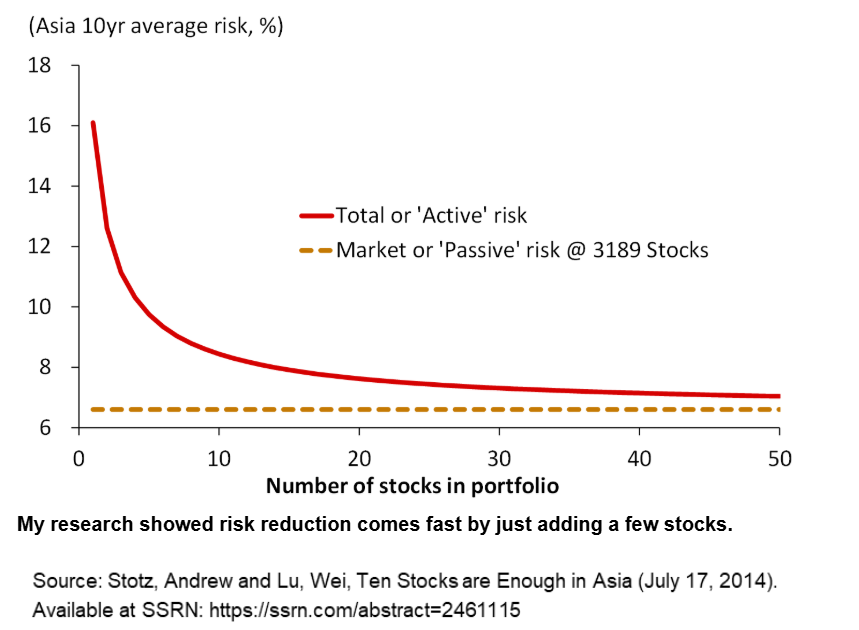
The "Free Lunch": Diversification
If you're worried about risk, don't just exit the market—diversify. Research shows that even adding just 10 stocks to a portfolio can remove 64% of unsystematic risk. Diversification is your best tool for keeping risk low while maintaining the returns you need.
Would you like me to walk you through how to use the FVMR framework to evaluate a specific stock you're currently watching?
Build Your Valuation Expertise
Would you like a step-by-step Excel guide for applying the Gordon Growth Model to your favorite dividend stocks?
Find it here : https://valuationmasterclass.com/gordon-growth-model-excel/
To deepen your valuation skills and build a practical proof in just 12 weeks, join the Valuation Master Class Boot Camp.